Improving poker skills becomes much easier when players learn how probability shapes decisions at the table. Instead of relying on guesswork or intuition alone, understanding mathematical chances allows players to act with confidence and clarity. One important concept that helps both beginners and experienced players is 德州撲克起手牌勝率, which reflects how likely starting hands are to succeed in different situations. By learning this idea early, players can build stronger instincts, reduce unnecessary risks, and make more consistent decisions during gameplay. When probability is applied correctly, poker shifts from being a game of chance to a structured strategy based on logic and long-term thinking.
Understanding Probability in Poker
Probability in poker refers to the likelihood of specific outcomes such as drawing winning cards or completing a strong hand. Every decision at the table is influenced by these chances. When players understand probabilities, they can evaluate situations more clearly and avoid emotional choices. This leads to smarter decisions like folding weak hands or rising when odds are favorable. Over time, using probability helps create a disciplined playing style that supports long-term success and reduces unnecessary losses.
Key Probability Concepts to Strengthen Your Game
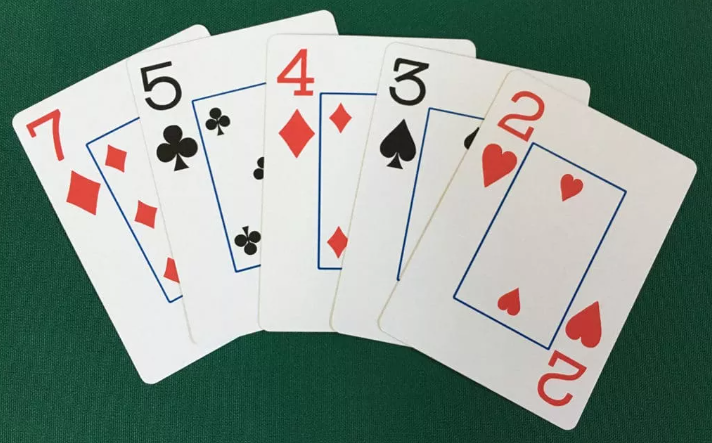
Here are essential probability concepts that can improve your overall poker decision-making skills:
- Outs and draw odds help determine how many remaining cards can improve your current hand strength effectively.
- Pot odds compare the size of the pot to the cost of a call, guiding profitable decision-making choices.
- Implied odds consider future winnings in addition to current pot value, improving long-term strategic thinking.
- Hand ranges estimate possible opponent holdings, allowing players to predict behavior and adjust strategy accordingly.
- Equity measures your share of winning probability against opponents, helping decide whether to continue or fold.
Making Better Decisions at the Table
Applying probability concepts during real gameplay allows players to make more rational and effective decisions. Instead of reacting to short-term outcomes, players begin focusing on long-term value and consistent strategy. This approach helps reduce emotional swings and builds confidence in difficult situations. By analyzing odds before every move, players can identify when to take calculated risks and when to avoid unnecessary losses. Over time, this disciplined mindset improves overall performance and creates a more stable winning pattern. Combining probability awareness with patience ensures that each decision contributes positively to long-term results, making the game both more strategic and rewarding.
Conclusion
In conclusion, mastering probability concepts provides a strong foundation for improving poker performance. It encourages logical thinking, reduces guesswork, and enhances decision-making at every stage of the game. When players consistently apply these ideas, they gain a clearer understanding of risk and reward, leading to more confident and successful gameplay experiences over time.